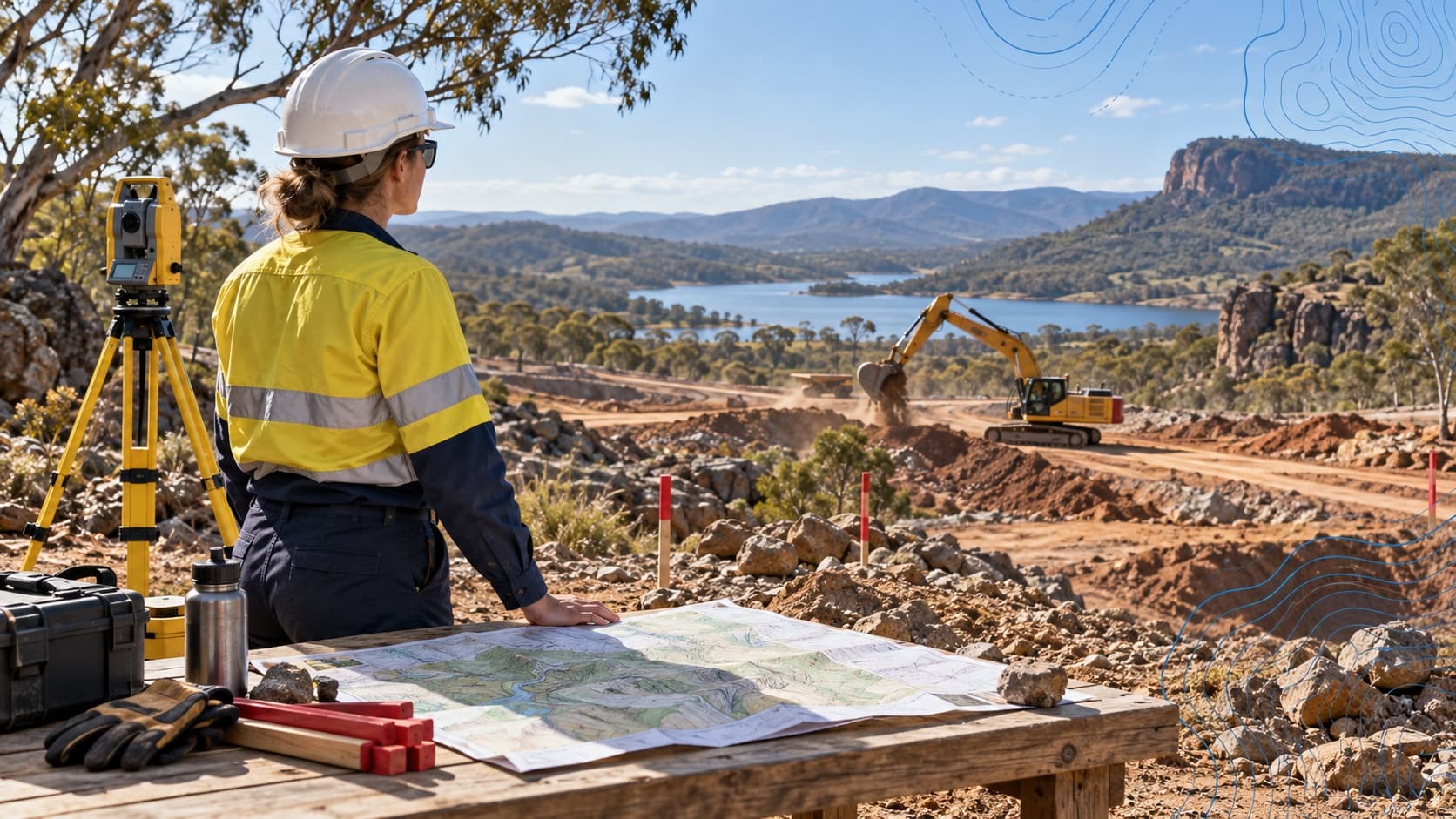
Remote and long-distance sites
Remote hire is an availability, mobilisation and support problem. Parts, fuel, tyres, operators, accommodation and communications belong in the initial comparison.
Read the whole workface.
Remote work turns small problems into long delays. A missing part, a flat tyre or a sick operator can stop a machine for days when the nearest depot is hundreds of kilometres away.
Ask where the actual machine is, how it will travel, and where service, parts and replacement units will come from. Fuel, accommodation, communications and camp arrangements belong in the hire brief.
Mobilisation and demobilisation often dominate total cost. Longer hires, local operators and shared transport can change the economics.
Machines most often involved: low loader and float hire, generator hire, site office and site shed hire, water truck and water cart hire, heavy mining equipment hire.
Three questions that expose the gaps.
- Where is the proposed unit now?
- Who carries critical spares?
- What backup is realistic?
Remote and long-distance sites: questions
- Why is remote plant hire more expensive?
- Transport over long distances, operator travel and accommodation, and slower service response all add cost.
- How can I reduce remote mobilisation cost?
- Use suppliers with equipment near the site, combine machines on one float, and plan longer continuous hires.
- What spares should travel with remote plant?
- Commonly filters, hoses, ground-engaging tools, tyres or track components, depending on the machine and duty.