MACHINE FIELD GUIDE / A PLATFORM FOR THE WHOLE TRADE
Scaffold hire
Scaffolding gives multiple trades safe, continuous access for building, façade, roof and industrial work. Mobile towers suit short tasks; system scaffold suits long-running work around structures.
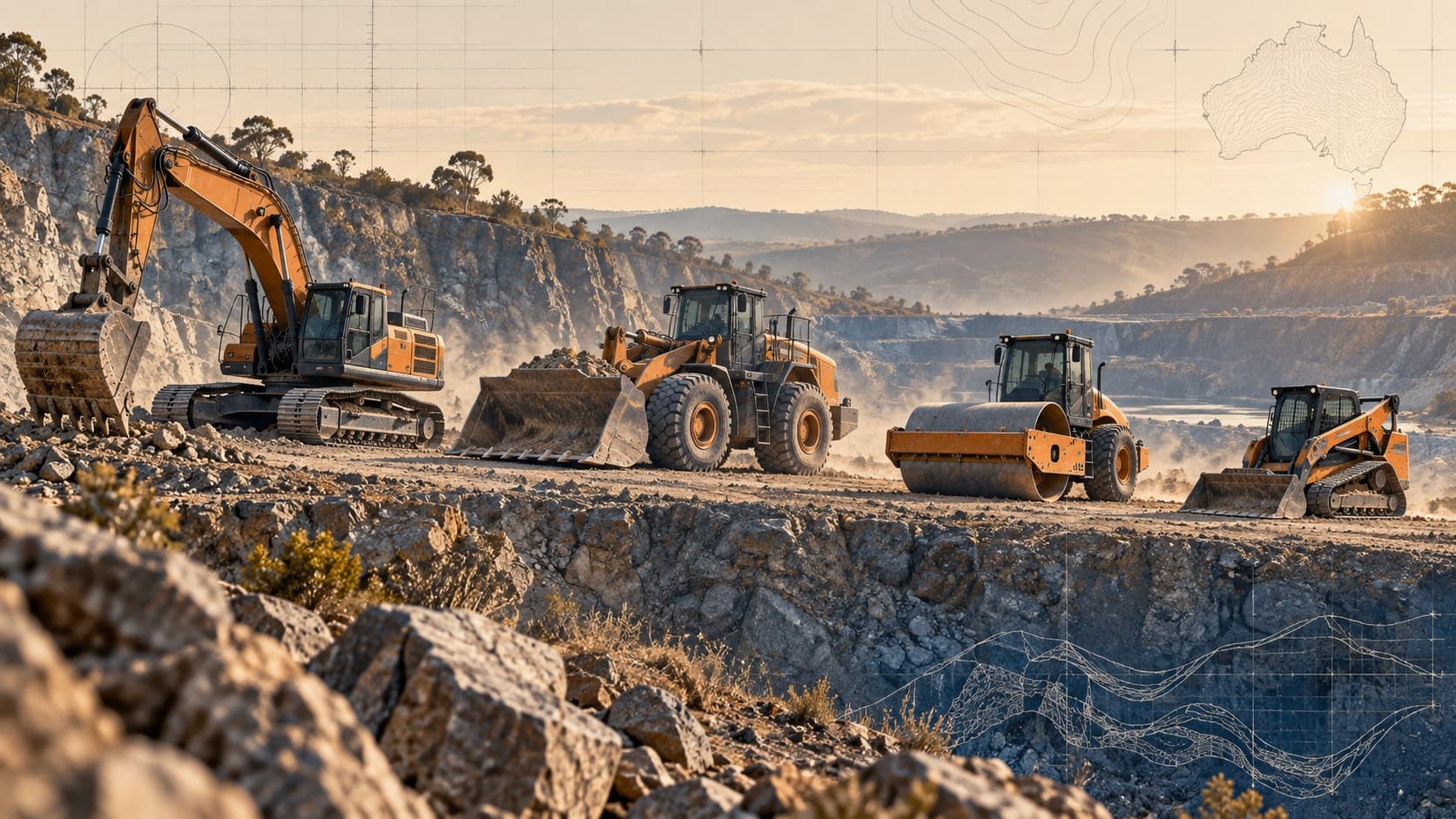
FIELD PLATE / 3 PUBLISHED SUPPLIER RECORDSMatch the size class to the task, then confirm the exact unit.
Scaffold size classes.
| Class | Typical work |
|---|---|
| Mobile aluminium towers | Short tasks, ceilings and indoor work. |
| Modular system scaffold | Residential and commercial building work. |
| Industrial and suspended scaffold | Plant, tanks and complex structures. |
COMMON USE / 01Brickwork, rendering and cladding
COMMON USE / 02Roofing edge protection
COMMON USE / 03Industrial maintenance access
COMMON USE / 04Façade repair and painting
QUOTE CHECK
What to specify.
- Building height, perimeter and working levels
- Duty rating (light, medium, heavy)
- Edge protection, loading bays and stairs
- Hire duration and alterations expected
Watch points.
Scaffolding with a fall risk over 4 m needs licensed erectors.
Scaffold must be inspected after erection, alteration and adverse weather.
Council permits may be needed on footpaths.
Rates for scaffold hire vary with size, location, duration, operator arrangement and transport. Read the plant hire cost guide and the wet vs dry hire comparison before comparing quotes, and use the supplier checklist to confirm the details.
FIELD FAQ
Scaffold hire questions
- Can I put up scaffolding myself?
- Mobile towers can be assembled by trained users following instructions. Scaffolding from which a person or object could fall more than 4 metres must be erected by licensed scaffolders.
- Is scaffold hire charged weekly?
- Usually a fixed erect-and-dismantle charge plus a weekly hire rate. Alterations are often charged separately.
- Scaffold or elevating work platform?
- Scaffold suits long jobs with several trades. EWPs suit short, single-trade tasks at varying locations.